
The 2026-27 Toronto Raptors season centers on an ambitious playoff push driven by the return of Kawhi Leonard alongside cornerstone player Scottie Barnes. To achieve a winning record, the team will integrate new additions like Jamal Shead and rookie Allen Graves into a revamped rotation. This strategic blend of veteran experience and young talent positions the organization for a competitive run in the Eastern Conference.
For Raptors fans, the post-championship era has often felt like a series of disjointed experiments rather than a cohesive march toward another title. The lack of a definitive bridge between past glory and future potential has left Scotiabank Arena searching for its next identity. This season marks a pivotal shift as the front office finally aligns veteran presence with elite youth development. In this piece, we look at the emotional return of Kawhi Leonard and what his veteran presence means for the current roster. We evaluate the early impact of Allen Graves and the 2026 draft class, alongside the growth of Scottie Barnes and RJ Barrett. From bench additions like Anderson and Jackson-Davis to the road ahead, this is a fan's guide to where the Raptors are and where they could be heading.
Recapping a Dominant Opening Night at Scotiabank Arena
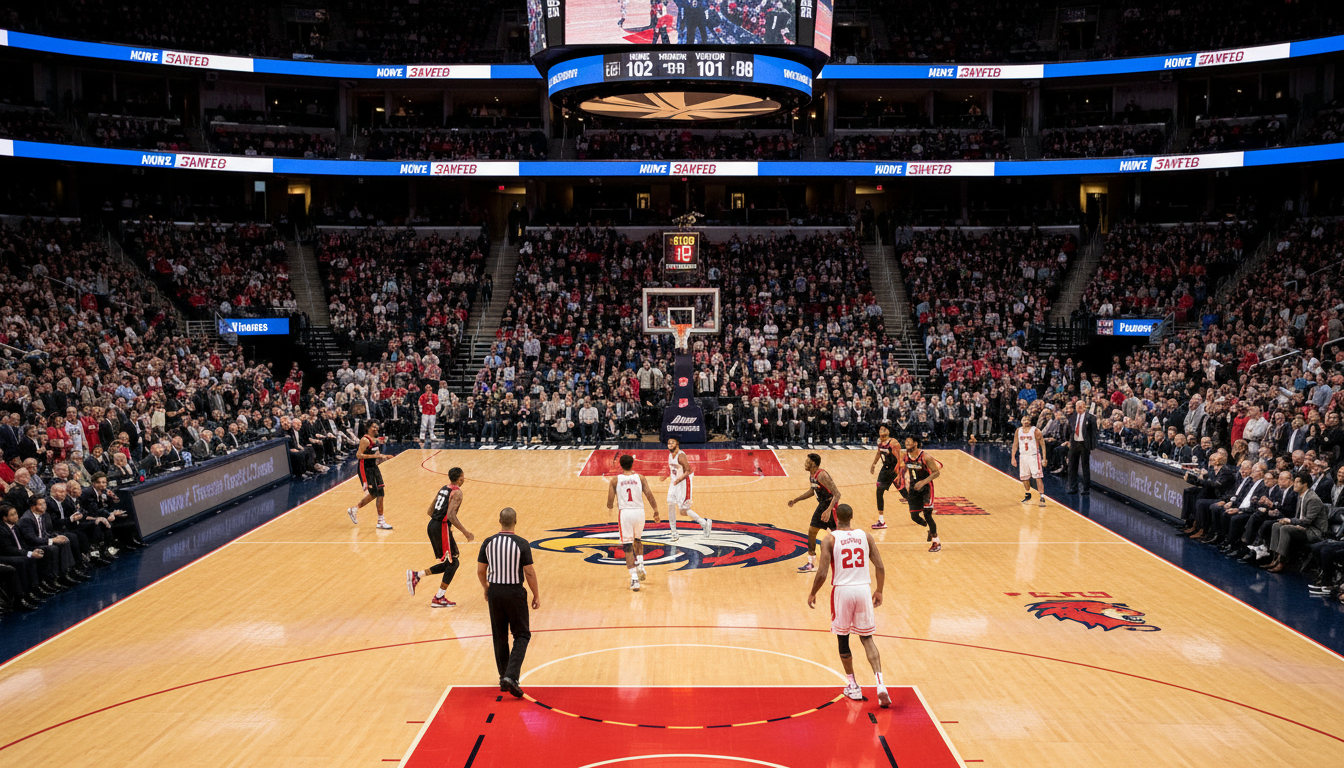
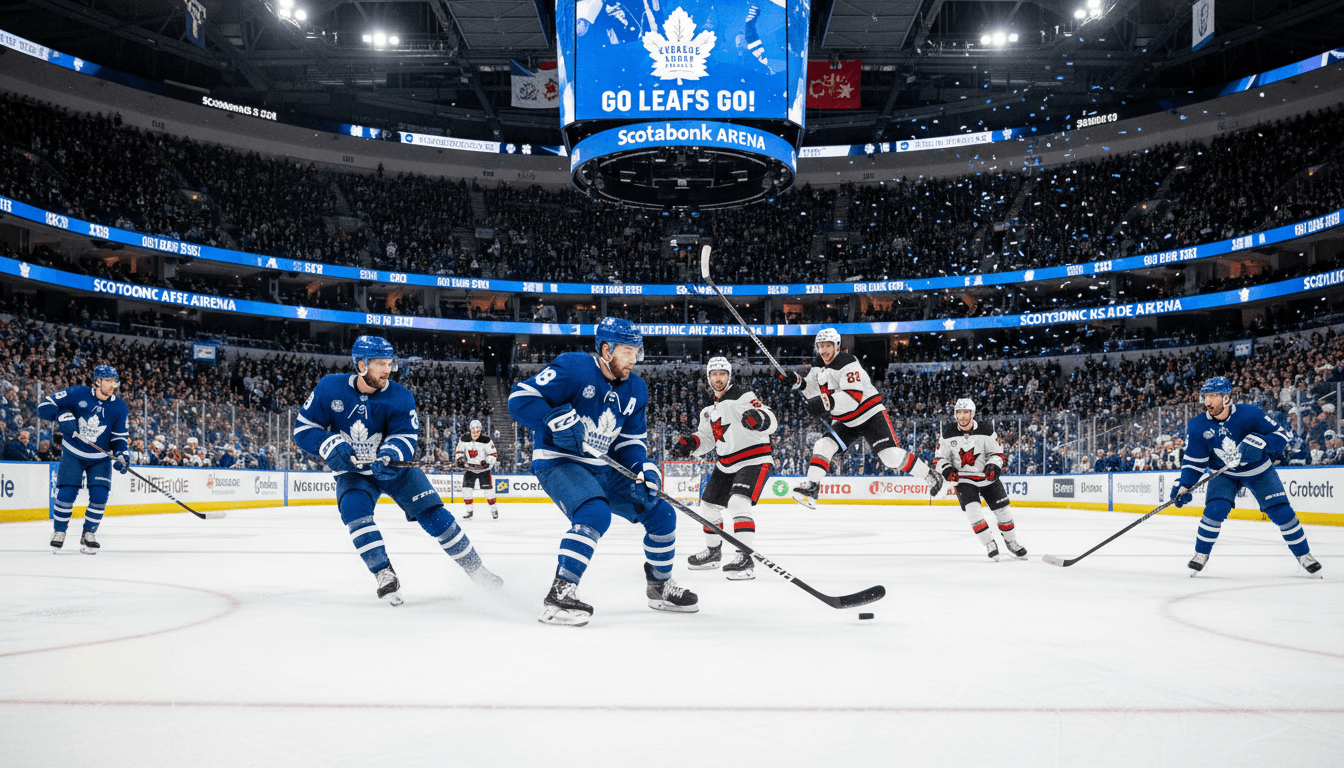
Scotiabank Arena recaptured its signature electricity on opening night as the Toronto Raptors delivered a resounding 135-92 statement victory over the Chicago Bulls. This 43 point margin was not merely a win; it was a complete departure from the offensive stagnation that defined much of the previous year. Fans donning the latest Raptors gear witnessed a level of ball movement and spacing that was often absent during the 2025 campaign.
The offensive efficiency was the most striking upgrade. While last season saw the team struggle to find rhythm in half court sets, the 2026-27 opener showcased a fluid, high tempo system that kept the Bulls defense in constant rotation. The ball rarely stuck. Instead, it moved with a purpose that reflected a roster finally comfortable within the tactical framework established by the coaching staff. This performance set a decisive, hopeful tone for the Toronto Raptors season, suggesting that the growing pains of the rebuild have transitioned into a phase of competitive execution. For those following Mike Roach Raptors sports coverage, the atmosphere in the building felt less like a standard home opener and more like the beginning of a legitimate pursuit. The energy was palpable, signaling a fan base ready to embrace a team that looks faster, deeper, and significantly more disciplined than its predecessor.
The Return of Kawhi Leonard: Closure Meets Contention
While the initial narrative surrounding Kawhi Leonard focused on the sentimental closure of his homecoming, his performance in the opener against Chicago proved he is here for contention. In the 135:92 victory, Leonard demonstrated a calculated efficiency that perfectly complements the high-octane pace of this Toronto Raptors season. He no longer needs to carry an overwhelming usage rate; instead, he serves as the tactical anchor for the wing, providing a reliable mid-range release valve when the ball movement requires a steady hand to finish a possession.
His chemistry with Scottie Barnes has matured rapidly. During the pre-season, the duo settled into a smooth rhythm where Barnes initiated the break while Leonard filled the lanes to create better spacing. That veteran presence lets Barnes lead without carrying the entire floor-general burden on every possession. Defensively, Leonard's value showed throughout the win against Chicago as he helped organize rotations and kept breakdowns from turning into easy looks for the Bulls.
For a deeper look at his specific impact on the roster, the Kawhi Leonard Raptors return analysis explores how his homecoming reshapes the fan experience and what it means for this team's identity. He provides a level of poise that was notably absent last year, acting as a stabilizer during high-pressure stretches. This version of Leonard focuses on precision and positioning, keeping the team composed regardless of the flow of a game. His role is no longer just about individual dominance, but about elevating the floor of the entire rotation through smart, disciplined play.
Fresh Talent: Evaluating Allen Graves and the 2026 Draft Class
The integration of youth into this Toronto Raptors season reflects a pivot toward smarter, more decisive players who can step into the rotation sooner. At the forefront is 19th overall pick Allen Graves, a modern stretch big whose presence should help with the spacing issues that lingered in recent years. Unlike traditional rim-running rookies, Graves has the outside touch to pull opposing centers away from the basket and open driving lanes for the core wings. In the pre-season and the blowout win against Chicago, he showed a willingness to move the ball quickly, which is exactly the kind of read that earns minutes in a system built on fast decision-making.
Complementing Graves is 50th pick Jaden Bradley, a high-upside guard who provides a different look than the incumbent ball-handlers. While many late-second-rounders struggle to adapt to the speed of the NBA, Bradley’s collegiate production suggests he can operate as a secondary playmaker. His skill set aligns with the team's shift toward multi-positional creators who do not stall the shot clock. For fans following the Mike Roach Raptors sports coverage, the early returns on these selections suggest a scouting department prioritizing processing speed over raw athleticism.
Player | Position | Draft Slot | Key Skill Set |
|---|---|---|---|
Allen Graves | Big | 19th | Perimeter shooting, floor spacing, quick passing |
Jaden Bradley | Guard | 50th | Dynamic playmaking, perimeter defense, downhill scoring |
The primary differentiator for this draft class is their readiness to contribute within a structured tactical framework. Previous rookies often found themselves out of the rotation due to defensive lapses or slow decision-making, but Graves and Bradley appear technically sound enough to stay on the floor. Their ability to process the game in half-second increments ensures the bench maintains the offensive flow established by the starters, preventing the scoring droughts that often plagued the team during high-stakes rotations.
The Evolution of the Core: Barnes, Barrett, and Shead
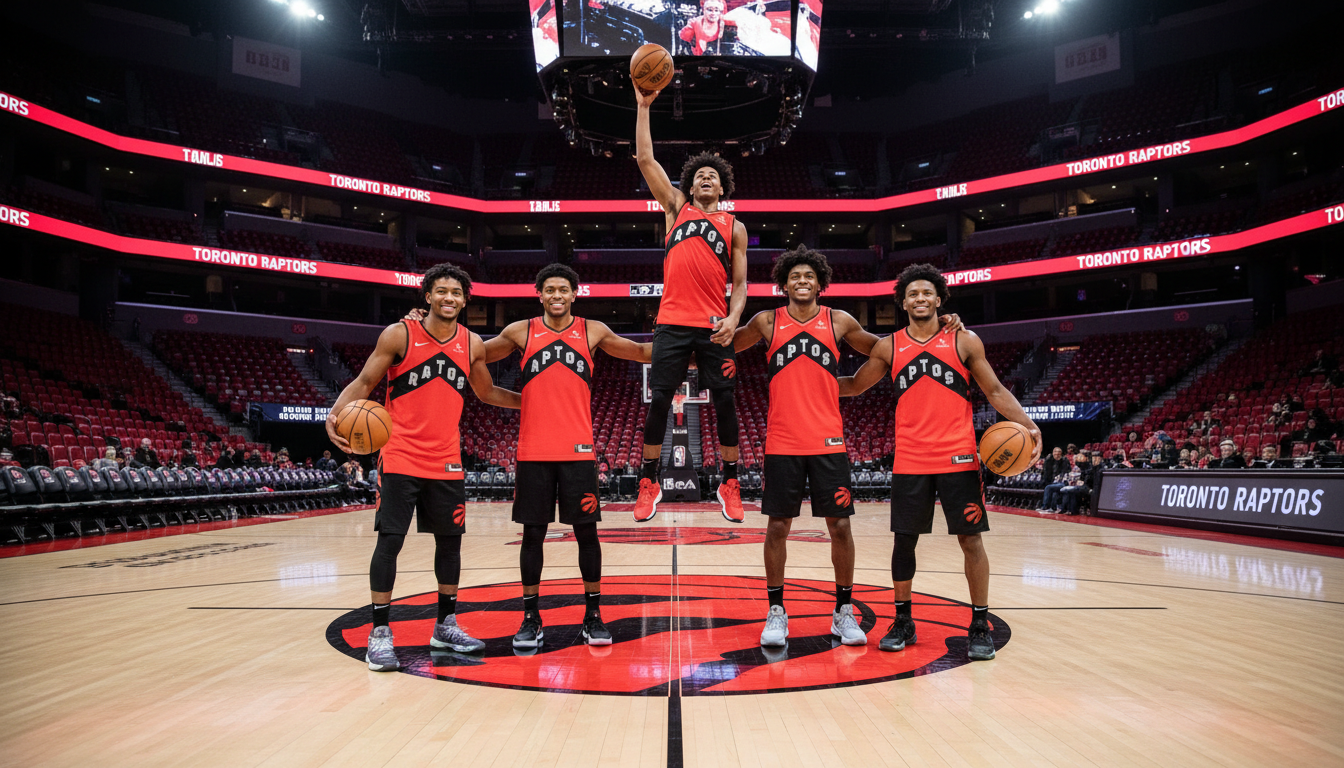
While the rookies provide a glimpse into the future, the current Toronto Raptors season hinges on the established development of the core trio: Scottie Barnes, RJ Barrett, and Jamal Shead. Barnes has officially transcended the prospect label, operating now as the team’s undisputed focal point. His ability to initiate the offense from the elbow while maintaining elite defensive versatility allows the coaching staff to run a complex, read and react system that relies on high level basketball IQ. This evolution from a secondary option to a primary engine is the catalyst for the team's improved offensive rating.
RJ Barrett has mirrored this professional growth with remarkable consistency. Since arriving in Toronto, Barrett has streamlined his shot selection and become a reliable secondary creator who thrives in the open court. This Toronto-heavy identity, anchored by a local star performing at a peak level, resonates deeply with the fans at Jurassic Park. There is a palpable sense of pride in seeing a hometown talent lead the franchise back toward the top of the Eastern Conference standings.
Rounding out this core stability is Jamal Shead, who has solidified the backup point guard spot. Shead provides a defensive grit and a steady hand that ensures the offensive pace does not crater when the starters rest. His ability to navigate screens and organize the second unit has turned a previous roster weakness into a legitimate tactical advantage.
Toronto Raptors Season Schedule and Record Predictions
The roadmap for this competitive Toronto Raptors season hinges on navigating a balanced and demanding Eastern Conference slate. For fans asking, 'What is the Toronto Raptors schedule for the 2026 season?', the calendar prioritizes early momentum with a mix of regional home stands and a pivotal road trip that includes a critical showdown in Washington. These early tests away from Scotiabank Arena will serve as the litmus test for the team's road maturity, particularly given the youth present in the second unit.
Upcoming Key Matchups | Location | Significance |
|---|---|---|
Washington Wizards | Away | Early test for road consistency |
Boston Celtics | Home | Measuring stick against the conference elite |
Miami Heat | Home | Critical for Eastern Conference tie breakers |
Philadelphia 76ers | Away | Strategic match up for interior defense |
Following a confident 1-0 start, there is real optimism the Raptors can finish well above .500 and avoid the play-in tournament by securing a top-six seed. Health during dense home stretches against Eastern rivals will be the deciding factor. Our Toronto sports coverage will keep tracking the playoff picture as the season unfolds. If the core keeps trending up and the bench provides the expected rebounding lift, this group has the look of a team that can make noise in the spring rather than just sneak into the postseason.
Analyzing the Bench Depth: Anderson and Jackson-Davis
The jump from a 1:0 start to a sustained playoff push requires more than just a potent starting five; it demands a second unit capable of maintaining tactical advantages. The off season acquisitions of Kyle Anderson and Trayce Jackson-Davis represent a surgical strike at the roster’s previous vulnerabilities. In 2025, the bench units often devolved into isolation heavy possessions that killed offensive flow. Anderson, known for his high IQ "Slow Mo" playmaking, provides a connective tissue that keeps the ball moving. He acts as a point forward who can organize the offense without needing a high usage rate, a trait that bridges the gap between the starters and the developmental talent.
Complementing Anderson’s cerebral play is the verticality of Trayce Jackson-Davis. His presence solves the glaring lack of rebounding that cost Toronto several close games last year. Unlike the perimeter-oriented bigs the Raptors experimented with previously, Jackson-Davis is a dedicated rim protector and high-level screen setter who generates second chance opportunities. The Mike Roach Raptors coverage has often highlighted the need for interior grit during the non-Poeltl minutes. These moves ensure that this Toronto Raptors season features a bench that dictates the pace rather than reacting to it. By pairing a high-level facilitator with a relentless glass-cleaner, the front office has effectively insulated the core against the mid-game scoring droughts that defined the prior campaign.
What It Means for the 2027 Postseason Run
The blowout win over Chicago offered more than just a mark in the win column. It suggested the front office's reload is already translating to the floor. With defensive help inside, veteran composure from Kawhi Leonard, and a core that keeps improving, the franchise looks to be shifting from rebuilding toward competing with intent. The 2027 postseason is the clear target, and this season is the runway for building the habits that could turn a playoff appearance into something more.